

Breast cancer remains a major public health challenge in rural Kenya, where more than half of affected women are diagnosed only in the later stages of the disease—often when curative treatment is no longer possible. Early detection and timely treatment are critical in reducing mortality and improving outcomes.
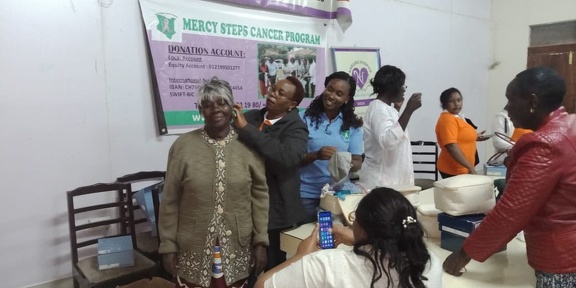
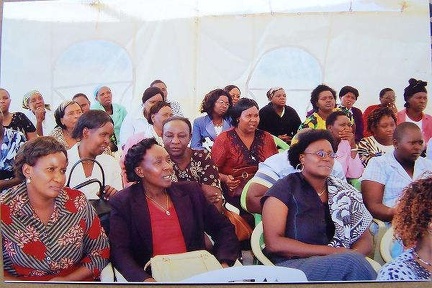
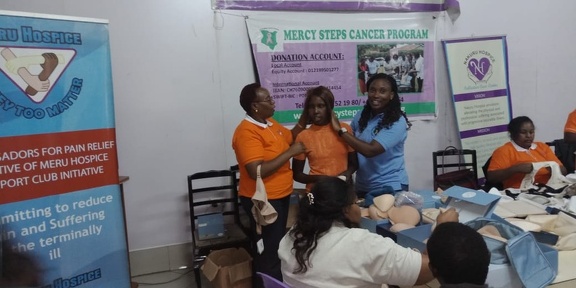
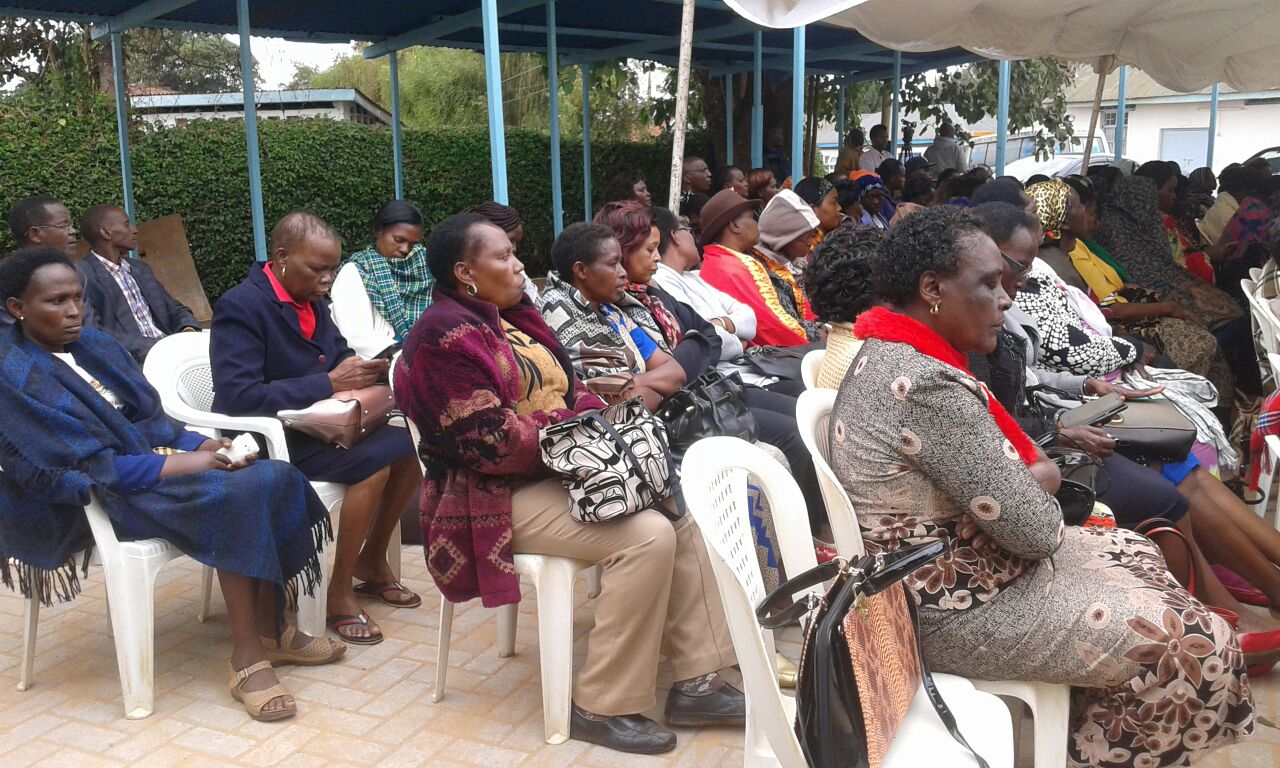
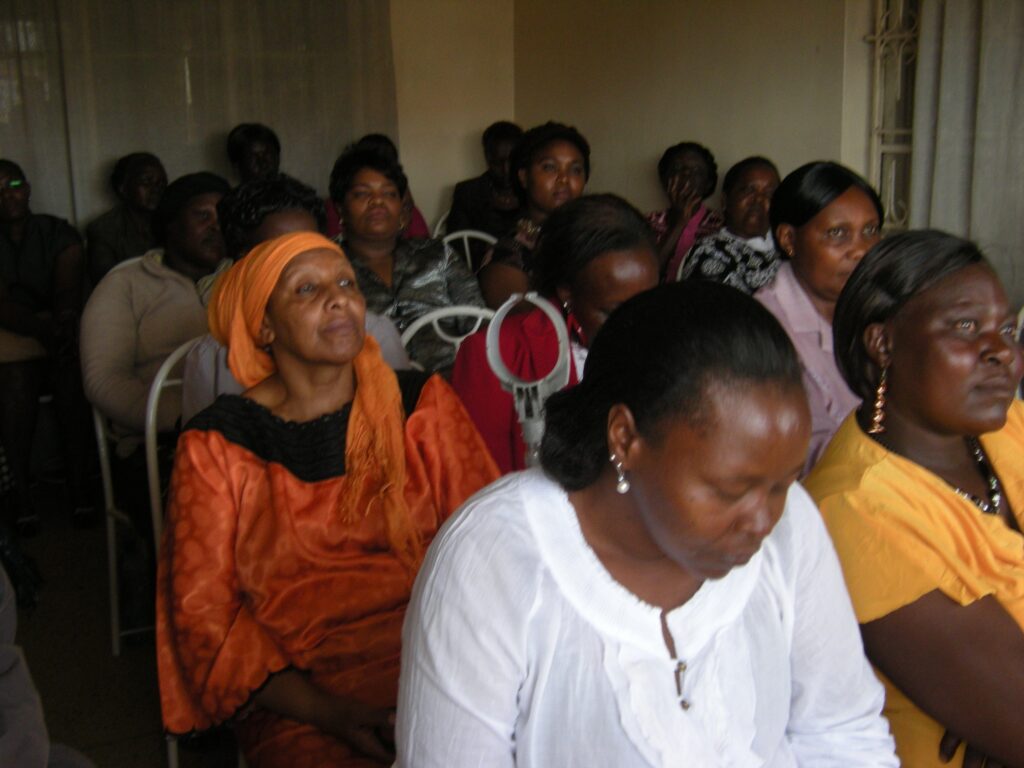
The Mercy Steps Program is a collaborative initiative dedicated to raising breast cancer awareness in rural communities across Kenya. The program emphasizes education, early detection, and community involvement as key strategies in the fight against breast cancer.
Early diagnosis significantly increases survival rates. For this reason, the program encourages open conversations about breast health. Women are educated on how to recognize abnormalities such as lumps or unusual changes, while men are also encouraged to speak up if they notice anything concerning in their partners. Promoting awareness among both men and women helps foster supportive environments where early action is more likely.
A central part of the program involves normalizing discussions about the female body and encouraging self-examination. Participants are taught that healthy breasts should not have lumps, lesions, or unusual changes, and that any irregularity should be checked by a medical professional.
The program primarily serves rural populations and works closely with healthcare providers, including nurses and palliative care workers. Many of these professionals volunteer their time, creating opportunities for both trained and non-trained individuals—including family members—to support patients throughout their cancer journey.
Cancer is the third leading cause of death in Kenya, following cardiovascular and infectious diseases. In many communities, it is still widely viewed as a death sentence, largely due to late diagnosis and limited access to care. Breast cancer is the most commonly diagnosed cancer in the country, with approximately 6,000 new cases reported annually—about half of which result in death.
Globally, breast cancer claims the lives of over half a million women each year, underscoring the urgency of improving awareness and access to care.
The financial burden of breast cancer in Kenya is significant. Diagnostic procedures such as mammograms can cost more than an average monthly income, making them inaccessible to many. While the National Hospital Insurance Fund (NHIF) provides some coverage, it primarily supports hospitalization costs, leaving patients to pay for diagnostics, medication, and treatment out of pocket.
As a result, even middle-income families often face financial hardship, sometimes selling property or depleting savings to afford care.
Access to oncology services remains limited. Securing an appointment with a specialist can take months, even in urban centers like Nairobi. For those in rural areas, the challenges are even greater due to distance, travel costs, and limited healthcare infrastructure
In many Kenyan communities, breast cancer is still considered taboo. A lack of accurate information leads to misconceptions, denial, and delays in seeking treatment. Some women ignore early symptoms, while others struggle to accept their diagnosis without counseling or support.
![[000142]](https://mercystepsprogram.org/wp-content/uploads/2023/02/000142.jpg)
Kenya has only a limited number of diagnostic and treatment facilities, with most concentrated in Nairobi. This makes early detection difficult, especially for rural populations. Treatment options such as chemotherapy and radiotherapy are costly, and many essential tests are not covered by insurance.
The high cost of treatment often places a heavy financial strain on families, sometimes pushing them below the poverty line.
Cancer affects not only patients but entire families. Many individuals undergoing treatment lose their jobs due to prolonged hospital visits and physical limitations. Without adequate social support systems, families face mounting debt and are often unable to meet basic needs, such as their children’s education.
Although employment provides access to NHIF, the coverage is insufficient for comprehensive cancer care, leaving significant expenses uncovered.
Most cancer treatments in Kenya are conducted at Kenyatta National Hospital in Nairobi, one of the few public facilities with a fully equipped oncology center. Patients often travel long distances and endure long waiting times to receive care.
Daily, an estimated 80 people die from cancer in Kenya, many due to late diagnosis and lack of affordable treatment options.
Some life-saving medications, such as trastuzumab (commonly used for aggressive breast cancer), are available but remain prohibitively expensive. A single dose can cost over KSh 150,000, making it inaccessible to many patients despite its effectiveness.
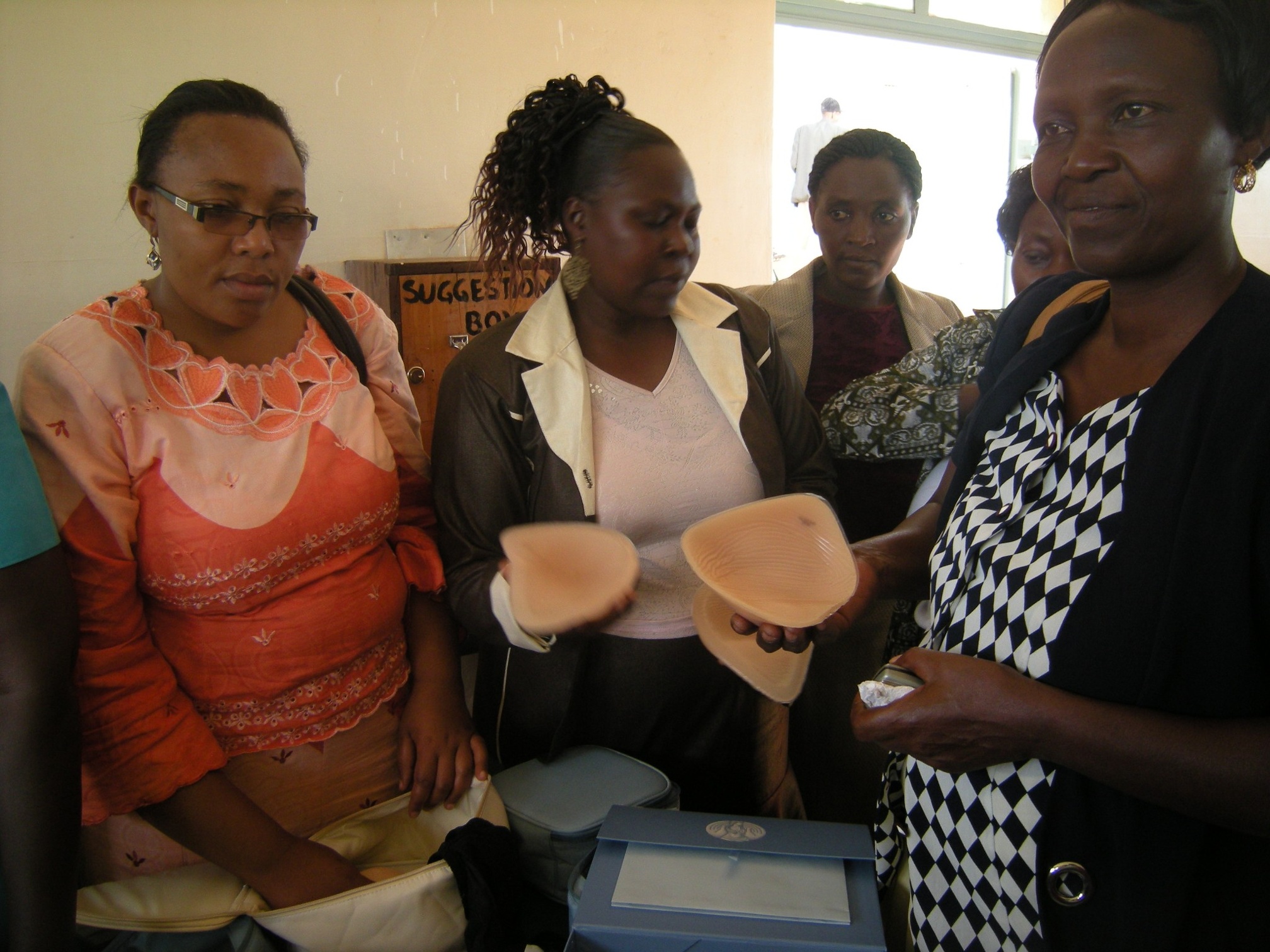
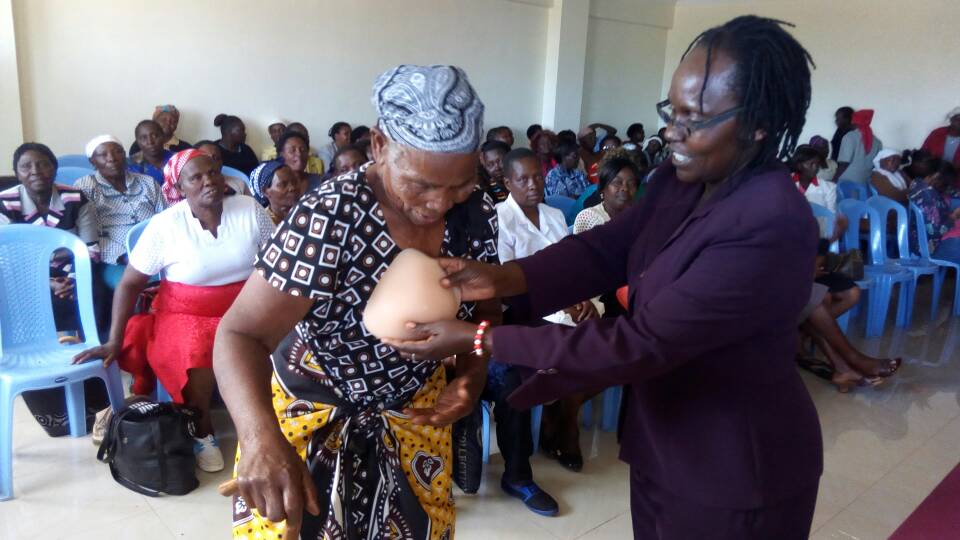
Breast cancer treatment often involves mastectomy, which can have profound emotional and social consequences. For many women, the loss of a breast affects body image, self-esteem, and personal relationships.
In some cases, women face neglect or abandonment due to societal perceptions linking femininity to physical appearance. The cost of prosthetics and supportive garments further adds to the financial burden, making recovery even more difficult.
Access to palliative care in Kenya remains limited, despite being recognized as a basic human right. Many patients with advanced cancer lack adequate support for pain management and end-of-life care.
Hospices and palliative care services are still insufficient to meet demand, leaving families to care for terminally ill loved ones at home, often without proper resources or training.
The Way Forward
There is a growing need to strengthen cancer care systems in Kenya through:
With coordinated efforts and sustained commitment, it is possible to improve outcomes and quality of life for individuals affected by breast cancer in Kenya and their families.
As a nonprofit organisation, Mercy Steps Program relies on donations to ensure that we can provide our valued resources free of charge.
Copyright © 2023 MSP. All Rights Reserved

